CEDES is built on a long tradition of educational excellence and a close‑knit, high‑performing community. Rooted in a deep family passion for teaching that spans generations, we are committed to offering the very best education to every student — from our youngest learners to those who graduate and move on to new stages of life.
Our students, both current and former, are an essential part of our history and our growth. Below is an overview of what CEDES provides, with links to explore each area in more detail. Yet beyond programmes and facilities, what truly defines us is our unwavering and long‑standing dedication to education — a commitment that has shaped our identity for more than ninety years.
Infantil
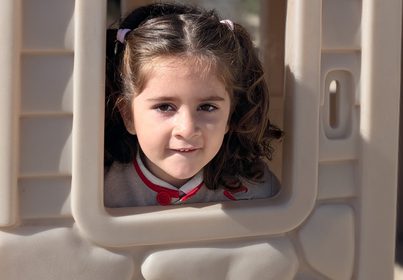
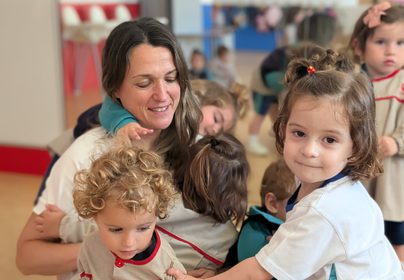
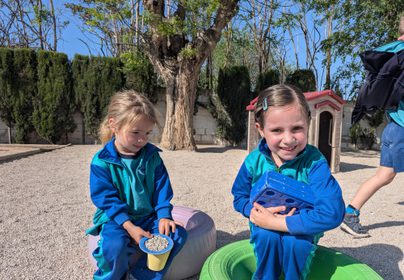
In Early Childhood Education the focus is on stimulating children’s development from the very beginning. This is achieved through play‑based and inquiry‑led learning, supported by our physical motor development programme, our native English‑speaking teachers, and our music project. Together, these elements create a rich variety of learning environments designed to promote optimal neural development.
Learn more on our Early Years Page
Primaria
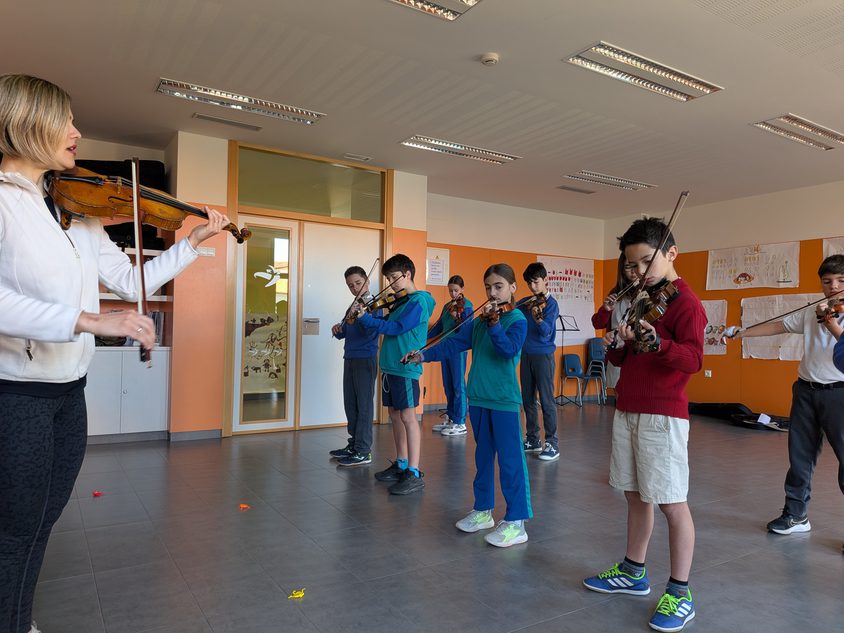
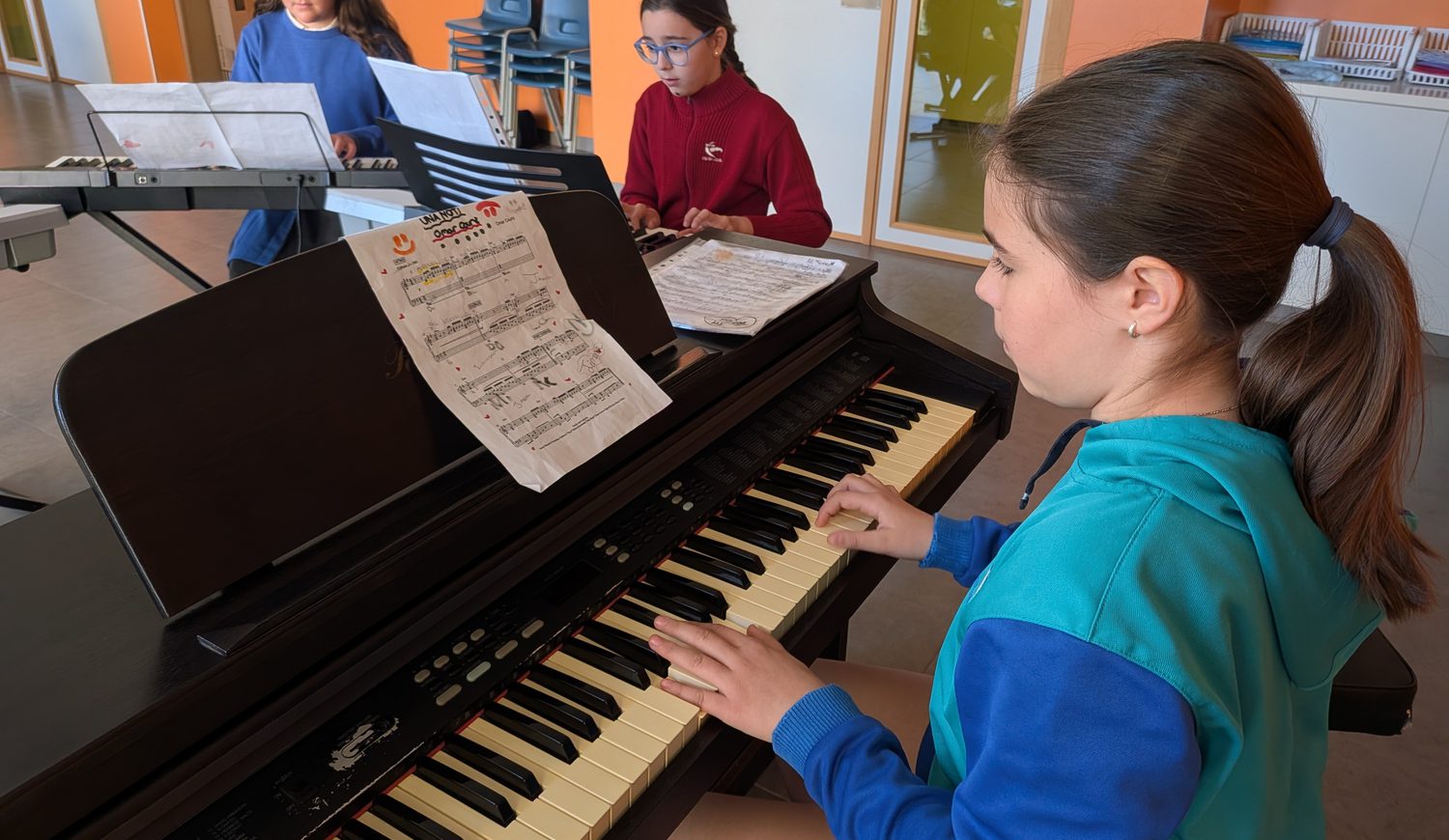
In Primary Education, inquiry remains the central methodological thread, allowing students’ natural curiosity to guide the acquisition of knowledge and skills they need to grow and thrive in an increasingly global environment. Bilingualism plays a key role at this stage, with an immersive model in which 50% of the school day is delivered in English. Musical development is also a priority, with dedicated subjects in violin, piano and music theory. Social relationships and emotional wellbeing receive special attention too, supported by a specific subject in emotional intelligence.
Learn more on our Primary page
Secundaria
In Secondary Education, students gain greater autonomy. The stage is offered in two modalities: a bilingual stream, which continues the work begun in Early Childhood and Primary with 40% of the curriculum taught in English, and a non‑bilingual stream designed especially for students joining the school at this point who have not previously studied in international or bilingual environments. Inquiry‑based learning remains central to the methodology, with audiovisual tools playing an important role in preparing projects, delivering presentations and supporting cooperative work.
Learn more on our Secondary page
Bachillerato (Sixth Form)
In Bachillerato, our efforts are focused on preparing students as effectively as possible for the university entrance examination (PAU). To support this, we structure our internal exam schedule to mirror the format and intensity of the PAU, helping students become accustomed to sitting all their subject exams within a short period of time. Our teachers create their own materials, updated annually to reflect any changes to the PAU, ensuring that students receive revised, carefully reviewed and exclusive content tailored to the demands of this final stage of their education.
Learn more on our Bachillerato page
In addition, the School offers the following services beyond standard teaching:
English
English is established as the vehicular language of instruction at CEDES School. Through a range of innovative methodologies applied daily in the classroom, we aim to provide our students with a comprehensive education that prepares them not only for university entrance exams but also to function confidently in the language. Emphasis is placed on developing competence in the four key language skills.
Cambridge Programme
From Early Years through to Sixth Form, mastery of the English language has become one of CEDES School’s main objectives. We use a communicative approach with active methodologies in order to develop the linguistic skills required for Cambridge English certifications. CEDES collaborates with official examination centres to enable students to obtain Cambridge qualifications ranging from Young Learners (Pre-A1) to C2 level.
Programme for International Students
An integration and support project for international students with a foreign language background, from Early Years through to Sixth Form, focused on learning Spanish. Students follow a tailored programme with teachers who monitor and support their progress in the Spanish language.
Cooperative Learning
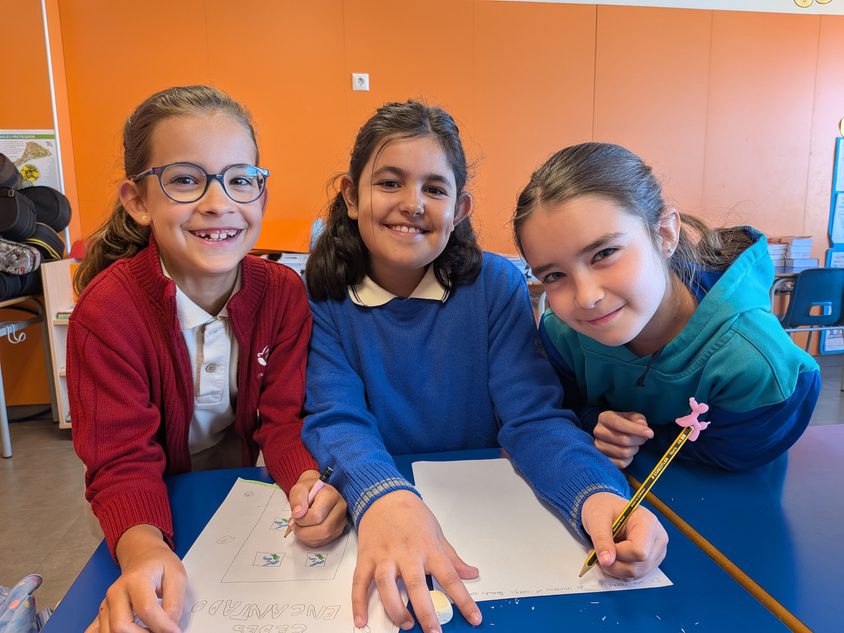
Cooperative learning in the classroom involves the use of small groups in which students work together to maximise both their own learning and that of their peers. Cooperation means working together to achieve common goals.
Project-Based Learning
Curriculum planning is guided by three key questions: What is worth learning? What is the best way to learn it? How can students’ understanding be developed? Project-based learning enables interaction between different subject areas.
Digital Literacy Programme
Digital literacy refers to a person’s ability to carry out different tasks using digital tools. However, it is not only about knowing how to use digital devices, but also about understanding and applying how their use can improve our lives and make us more productive and efficient.
Reading Plan
We develop a set of strategies to help students become competent readers: to understand what they read; to research the knowledge acquired; and, as a result, to be able to communicate and convey what they have learned.
Social Skills Programme
This programme is designed to develop social skills in group settings, with the aim of fostering empathy, cooperation, and solidarity, while encouraging respect for differences.
Laboratory Programme
Within this programme, students have the opportunity to apply their knowledge practically in the laboratory. This provides them with a realistic experience and prepares them for their future professional environment.
Thematic Classrooms
This refers to the organisation of learning environments within educational institutions according to curriculum subjects, with the aim of providing didactic resources that support innovative teaching and learning processes, fostering a sense of belonging and meaningful learning.